Lately I’ve caught myself doing something I don’t usually do for very long. I’ll scroll a little more than I should, read a few more headlines than I need, listen to a couple conversations, and walk away with the same lingering thought. Something feels off. Not just tense, but different. Louder. More chaotic. Harder to make sense of.
And somewhere in that process, the question starts to surface. Is this actually new, or does it just feel new because I’m seeing more of it?
That question matters more than it seems, because how you answer it shapes how you respond to everything else.
If you zoom out even a little bit, you start to realize that a lot of what we’re experiencing right now is not new at all. Power has always attracted manipulation. Leaders have always shaped narratives. People have always argued about truth, morality, and what is right. There has never been a time in history where everyone agreed on those things. There has never been a time where influence was exercised in a perfectly clean and honest way.
What has changed is not human nature. What has changed is the environment those patterns are playing out in.
We are living in a moment where you have access to more information than any generation before you, and it is not just information. It is commentary, interpretation, reaction, and emotion layered on top of that information in real time. You are not just hearing what happened. You are hearing what thousands of people think about what happened, all at once, all competing for your attention.
That alone would be enough to make things feel overwhelming, but it goes further than that. The systems delivering that information are not neutral. They are designed to keep you engaged, and what keeps people engaged is rarely calm, thoughtful, balanced perspective. It is intensity. It is conflict. It is outrage. So over time, what you begin to experience is not just reality, but a concentrated version of reality that consistently pulls you toward the edges.
That is part of why everything feels so amplified right now. It is not that every issue is more extreme than it has ever been. It is that you are consistently being shown the most extreme version of every issue.
At the same time, there is a deeper shift happening underneath all of this that makes the moment feel even more disorienting. It is not just that people disagree on solutions. It is that people are starting from completely different foundations of truth. In many ways, we have moved from asking what is objectively right to asking what feels right to each individual. That shift changes everything. It removes shared starting points and replaces them with personal ones, which makes meaningful conversation much harder to navigate.
This is where the tension really sets in. You are trying to make sense of a world where the volume has been turned all the way up, while the shared framework for understanding that world has become less stable. It is no surprise that it feels chaotic.
If you are not careful, sitting in that tension long enough will start to push you toward extremes. Some people respond by disengaging and assuming it is all noise that can be ignored. Others lean into it and begin to assume everything is broken, that every voice is manipulative, and that nothing can be trusted. Both responses are understandable, but neither one leads to clarity or healthy leadership.
What becomes important in a moment like this is not just understanding what is happening, but learning how to think and live within it without being shaped by the worst parts of it.
One of the most helpful shifts is learning to separate what is timeless from what is temporary. The behaviors we are seeing, things like posturing, narrative shaping, and influence, those are rooted in human nature. They are not going away. The systems we are seeing them play out in, things like social media platforms, news cycles, and cultural trends, those are constantly changing. When you blur those together, every moment starts to feel like a crisis. When you separate them, you gain perspective. You begin to see that while the environment may be intense, the underlying dynamics are familiar.
Alongside that, it becomes necessary to take a more intentional approach to what you allow into your mind on a daily basis. Most people are consuming far more than they are actually able to process in a healthy way. You were not designed to carry the emotional weight of global conflict, cultural tension, and constant opinion streams all day long. Overexposure does not lead to clarity. It leads to fatigue, frustration, and reactivity. Paying attention to how certain inputs affect you is not avoidance. It is wisdom. There is a difference between being informed and being overwhelmed, and that line matters more than most people realize.
Eventually, though, this all comes back to a more personal question. In the middle of all of this noise, confusion, and tension, who are you going to be?
It is easy to become reactive when everything around you is reactive. It is easy to contribute to the noise when the noise is constant. It is easy to get pulled into arguments that feel important in the moment but lead nowhere meaningful. But none of those paths actually produce the kind of clarity or influence that most people want to have.
There is another way to engage this moment. It looks like choosing steadiness over reactivity. It looks like valuing clarity over volume. It looks like being willing to slow down enough to actually think, rather than just respond. It looks like holding convictions without needing to escalate every disagreement.
That kind of posture stands out, especially right now.
The reality is, history is full of seasons where things felt uncertain, where truth felt contested, and where the culture seemed to be pulling in different directions at the same time. Those moments have always required a certain kind of leadership. Not leadership that has all the answers, but leadership that is grounded, thoughtful, and steady in the middle of complexity.
This is one of those moments.
And while you may not be able to control the broader environment, you do have control over how you engage it. You can choose to step back enough to gain perspective. You can choose to filter what you consume so that it does not consume you. You can choose to show up in conversations with clarity instead of adding to the confusion.
In a world where everything feels louder than it should, that kind of presence matters more than ever.
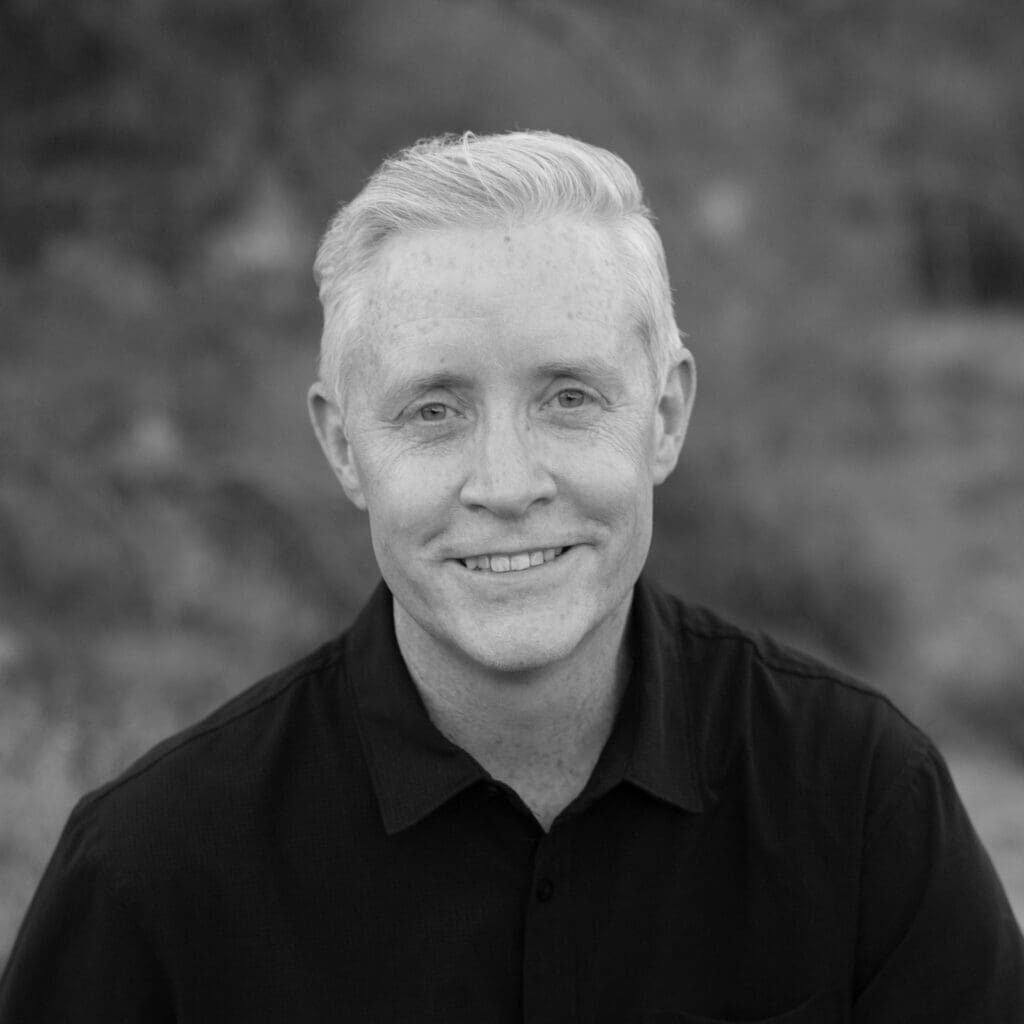
Written By:
Jason Lehman
Lead Strategist & Founder
Jason writes and consults in a variety of areas including: Communication Strategy, Perception Studies, Brand Strategy, Donor Strategy
Interested in connecting with or booking time with Jason Lehman? Use our contact form to let us know. We'll follow up with you shortly.